Shopping centers have long been a part of suburban life in the United States. They bring together retail, dining, and shared public spaces under one roof. Montgomeryville Mall is an example of a regional indoor shopping center that has played this role for many years. This article provides a purely informational, easy-to-read overview of the mall, focusing on its location, structure, purpose, and role in everyday community life.
Location and Surrounding Area
The mall is located in a suburban setting within southeastern Pennsylvania. The surrounding area includes residential neighborhoods, local roads, and other commercial spaces that support regular visitor traffic. Its position makes it accessible not only to nearby residents but also to people from surrounding towns who prefer a central indoor shopping and leisure destination.
The suburban environment around the mall reflects a balance between housing and commercial activity, which helps sustain consistent use throughout the week rather than only on weekends.
Background and Development Over Time
Indoor shopping malls became popular in the United States during the second half of the twentieth century. They were designed to offer convenience by housing multiple stores in a single climate-controlled space. Over time, as shopping habits evolved, malls across the country adapted to changing expectations.
This particular mall followed similar patterns seen in many regional centers. Store layouts, interior spaces, and shared areas have changed gradually to reflect broader retail trends. While individual stores may change, the overall structure as a community shopping destination has remained consistent.
Overall Layout and Design
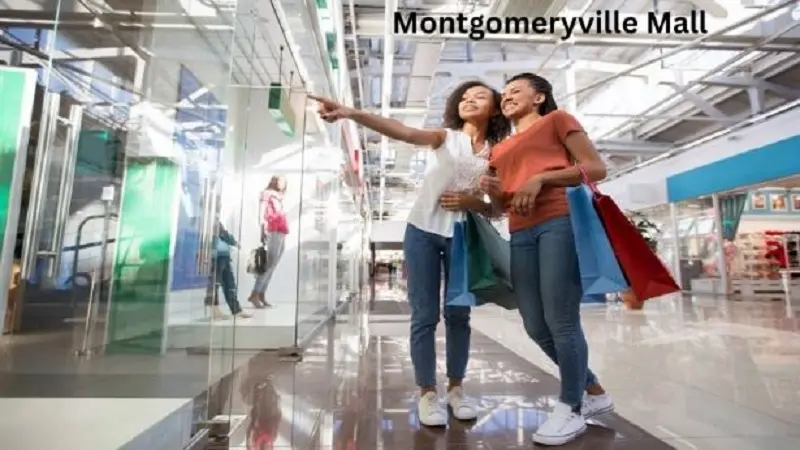
The mall features a traditional enclosed layout. Visitors enter through multiple main entrances that connect to long indoor corridors. These walkways are typically wide enough to handle steady foot traffic while remaining comfortable for families, older visitors, and individuals using mobility aids.
Common design elements include indoor seating areas, clearly marked directories, and open spaces that allow visitors to rest or meet others. The enclosed design provides comfort during both cold winters and warm summers, making it usable year-round regardless of weather conditions.
Types of Retail Spaces
Rather than focusing on a single category, the mall includes a broad mix of retail types. This variety allows visitors to complete several errands in one visit.
Clothing and Apparel
Clothing stores are a central part of most indoor malls. These shops typically offer apparel for men, women, and children. Shoppers may find everyday wear, seasonal clothing, and items for special occasions, depending on current store offerings.
Footwear and Accessories
Shoe stores and accessory retailers often complement clothing shops. These spaces usually provide footwear, bags, jewelry, and other accessories that complete personal outfits or serve as gift options.
Electronics and Small Technology Items
Some retail spaces focus on everyday technology needs. These may include accessories for personal devices, small gadgets, and related items that support modern daily life.
Health, Beauty, and Personal Care
Beauty and personal care stores are commonly part of regional malls. These shops may carry skincare items, cosmetics, and personal grooming products used by a wide range of visitors.
Specialty and Hobby-Oriented Stores
Specialty shops add diversity to the retail mix. These may include gift-focused stores, hobby-related spaces, or seasonal retailers that change throughout the year.
Dining Areas and Food Options
Dining plays an important role in the indoor mall experience. Many visitors combine shopping with meals or snacks, especially during longer visits.
Food areas may include quick-service counters, casual dining spaces, and coffee or snack vendors. Shared seating areas allow individuals and families to take breaks, socialize, or plan the rest of their visit. Dining options help transform the mall from a short errand stop into a place where people can comfortably spend several hours.
A Place for Community Interaction
Beyond shopping, malls often function as informal gathering places. People meet friends, walk indoors for exercise, or simply spend time in a shared public environment. Over the years, Montgomeryville Mall has served this role for many residents.
Seasonal decorations and occasional community-focused activities contribute to a welcoming atmosphere. For some families, visiting the mall becomes part of routine weekend activities or holiday traditions.
Accessibility and Ease of Movement
Accessibility is a key feature of modern shopping centers. Large surface parking areas surround the building, allowing visitors to park near different entrances. This reduces walking distance and improves convenience.
Inside the building, wide corridors, seating areas, and accessible facilities support visitors with varying mobility needs. These design elements help ensure that the mall can be comfortably used by people of all ages.
The Value of Indoor Shopping Spaces
Even as online shopping has become more common, indoor malls continue to offer benefits that digital platforms cannot fully replace. Visitors can see and compare items in person, enjoy face-to-face interaction, and spend time in a shared social setting.
Indoor malls also provide weather protection and the convenience of multiple stores in one location. For many people, these advantages remain important in daily life.
Retail Trends and Adaptation
Over the past two decades, retail has changed significantly. Online shopping, home delivery, and digital services have reshaped how people buy goods. In response, many physical shopping centers have adapted their spaces.
Adaptations often include changes to store mixes, improved shared areas, and greater emphasis on dining and services. Montgomeryville Mall reflects these broader trends, showing how traditional shopping centers evolve rather than disappear.
Family-Friendly Environment
Indoor malls are often designed with families in mind. Features such as wide walkways, seating areas, and a controlled indoor climate make visits easier for parents with children. Dining spaces typically include options suitable for different age groups, which supports longer family outings.
The predictable layout and safe indoor environment also make malls appealing for multi-generational visits.
Practical Tips for Visitors
A few simple steps can help visitors make the most of their time:
- Visiting during weekday mornings or early afternoons often means fewer crowds
- Wearing comfortable footwear helps with longer walks
- Using directories saves time when locating stores
- Planning meal breaks outside peak hours can reduce waiting
These practical considerations support a smoother and more relaxed experience.
Economic Role in the Local Area
Regional shopping centers often contribute to local economies by providing employment and supporting nearby services. By attracting visitors from surrounding communities, they help sustain economic activity beyond their walls.
The presence of a central shopping location can also encourage further development in nearby areas, creating clusters of commercial activity that benefit the broader region.
Looking Ahead
The future of regional malls continues to evolve. Many are exploring new ways to remain useful community spaces by balancing retail with dining, services, and social areas. Flexibility and adaptation play a key role in this process.
As consumer habits change, Montgomeryville Mall is likely to continue adjusting while maintaining its function as a shared indoor destination for shopping and everyday interaction.
You may want to take a look at this too.
Montgomeryville Acura
Raising Cane’s Montgomeryville
Frequently Asked Questions (FAQs)
1. What type of shopping center is this mall?
It is an enclosed regional shopping center with indoor corridors connecting a variety of retail and dining spaces.
2. Does the mall include dining areas?
Yes, visitors can usually find a range of food options, including quick meals and casual dining areas.
3. Is the mall suitable for families?
Yes, the indoor design, seating areas, and family-friendly layout support visits by people of all ages.
4. Why do people still visit malls today?
Malls offer in-person shopping, social interaction, weather protection, and the convenience of multiple services in one place.
5. Do stores change over time in a mall?
Yes, store selections can change as retail trends evolve, and businesses adjust to customer needs
Conclusion
As a regional indoor shopping center, Montgomeryville Mall represents the traditional role of malls in suburban communities. Through its enclosed design, variety of retail spaces, dining areas, and social function, it continues to offer value beyond simple transactions.