

Automobile dealerships play an important role in the transportation industry. They serve as a connection between vehicle manufacturers and customers, providing a place where people can explore vehicles, learn about automotive technology, and maintain their cars over time. For many drivers, a dealership becomes a long-term resource that supports them throughout their vehicle’s life.
One example of such a dealership is Montgomeryville Nissan, located in a suburban region known for its active commercial environment and residential communities. Dealerships in areas like this often serve not only residents but also drivers from nearby towns who rely on personal vehicles for commuting, travel, and daily errands.
This article explains how automotive dealerships work, the services they typically provide, and why they remain an important part of modern communities. It also explores how dealership service centers support vehicle ownership and how changes in the automotive industry are shaping their future.
What an Automotive Dealership Is
An automotive dealership is a business that sells vehicles produced by a specific manufacturer while also offering services related to vehicle ownership. Instead of purchasing vehicles directly from manufacturers, most customers visit dealerships to view available models and receive guidance during the buying process.
Dealerships are designed to support customers in several ways. They allow buyers to examine vehicles in person, ask questions about features and performance, and compare different options before making a decision. After a vehicle is purchased, many customers return to the same dealership for maintenance services or technical assistance.
Because of these functions, dealerships play a central role in the automotive ecosystem. They provide both sales and support services that help drivers keep their vehicles in safe and reliable condition.
The Community of Montgomeryville
The dealership associated with Montgomeryville Nissan operates in Montgomeryville, a community located in Montgomery County in the state of Pennsylvania. The area is part of the larger metropolitan region surrounding Philadelphia and is known for its combination of commercial centers and residential neighborhoods.
Communities like Montgomeryville rely heavily on personal transportation. Many residents travel to nearby towns or cities for work, shopping, and other daily activities. As a result, automotive dealerships located in these areas often serve a large number of drivers who depend on vehicles for mobility.
Local dealerships contribute to community life by providing transportation resources, employment opportunities, and services that support vehicle ownership.
Types of Vehicles Typically Available at Dealerships
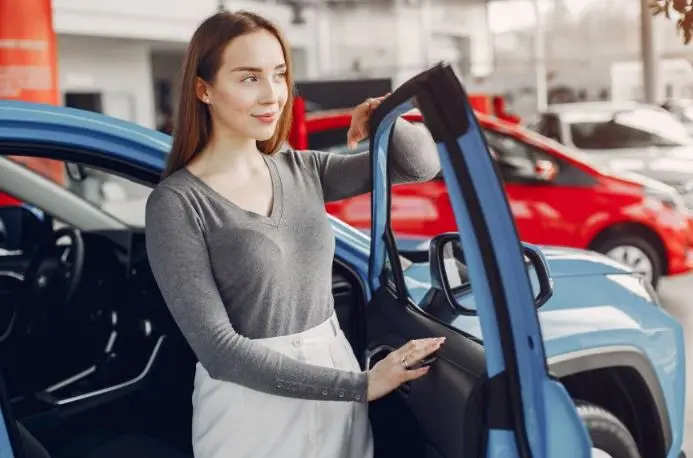
Automotive dealerships connected to major manufacturers usually offer several categories of vehicles designed to meet different needs. Each category provides specific advantages depending on how the vehicle will be used.
Sedans
Sedans are passenger vehicles commonly used for everyday driving. They are designed to offer comfortable seating, efficient fuel consumption, and smooth performance on city streets and highways.
Many drivers choose sedans because they provide reliable transportation while maintaining a practical balance between size and efficiency.
Sport Utility Vehicles (SUVs)
SUVs are larger vehicles that provide additional passenger space and cargo capacity. These vehicles often have higher driving positions, which can provide better road visibility.
Families and individuals who need extra interior space frequently prefer SUVs because they can accommodate more passengers and luggage.
Pickup Trucks
Pickup trucks are designed for carrying heavy loads or towing equipment. They are often used in industries such as construction, agriculture, or transportation where additional cargo capacity is required.
However, pickup trucks are also popular among individuals who enjoy outdoor activities such as camping or boating.
Electric Vehicles
Electric vehicles operate using battery-powered motors rather than gasoline engines. They are becoming more common as technology improves and interest in environmentally friendly transportation increases.
Electric vehicles are often valued for their quiet operation and lower emissions compared with traditional vehicles.
The Vehicle Buying Process
Buying a vehicle from a dealership usually involves several steps that help customers make informed decisions.
Research and Preparation
Many buyers begin by researching vehicle models, safety features, and fuel efficiency before visiting a dealership. This research helps narrow down the options and makes it easier to compare different vehicles.
Visiting the Dealership
Once buyers have an idea of what they are looking for, they often visit the dealership to see vehicles in person. This allows them to examine the design, seating space, and interior features.
Seeing the vehicle directly can help customers determine whether it meets their expectations.
Test Driving
A test drive is one of the most important parts of the buying process. Driving the vehicle allows customers to evaluate how it handles on the road and how comfortable it feels during normal driving conditions.
Factors such as steering response, braking performance, and visibility can be assessed during this step.
Discussing Payment Options
If a customer decides to purchase a vehicle, the next step usually involves discussing payment options. Some buyers pay the full amount upfront, while others choose financing plans that allow them to pay over time.
This stage also involves reviewing paperwork and confirming the terms of the purchase.
Completing the Purchase
After the payment arrangements and documentation are finalized, the customer receives ownership of the vehicle. At this point, the vehicle becomes part of the buyer’s daily transportation routine.
Vehicle Maintenance and Service
Owning a vehicle involves more than simply purchasing it. Regular maintenance is essential for keeping vehicles safe, efficient, and reliable over time.
Dealership service centers typically provide a range of maintenance services.
Oil Changes
Engine oil helps lubricate moving parts within the engine. Regular oil changes are necessary to prevent excessive wear and maintain engine performance.
Tire Maintenance
Tires require periodic inspections and rotations to ensure even wear and safe driving conditions. Proper tire maintenance also helps improve fuel efficiency.
Brake Inspections
The braking system is one of the most important safety components in a vehicle. Regular brake inspections help ensure that the system functions correctly and safely.
Battery Testing
Vehicle batteries provide power to start the engine and operate electronic systems. Testing and replacing batteries when necessary helps prevent unexpected breakdowns.
Engine Diagnostics
Modern vehicles contain electronic monitoring systems that track engine performance. Diagnostic tools allow technicians to identify potential issues before they become major problems.
Routine maintenance helps extend the life of a vehicle and reduces the likelihood of expensive repairs.
The Role of Dealership Service Technicians
Technicians working in dealership service departments are trained professionals who specialize in vehicle maintenance and repair. They use specialized equipment designed to diagnose and fix automotive systems.
Because technicians regularly work with vehicles produced by specific manufacturers, they often develop detailed knowledge of those vehicles. This experience helps them identify issues more quickly and perform repairs accurately.
Service departments may handle everything from routine maintenance to more complex mechanical repairs, depending on the condition of the vehicle.
Automotive Technology in Modern Vehicles
Modern vehicles include many technological features designed to improve safety, comfort, and efficiency. These technologies have become an important part of the driving experience.
Some common features include:
- Driver assistance systems
- Rearview cameras and parking sensors
- Navigation and mapping systems
- Smartphone connectivity
- Fuel efficiency monitoring
These technologies help drivers stay aware of their surroundings, plan routes more easily, and monitor vehicle performance.
Dealership staff often help customers understand how these systems function so they can use them effectively.
The Growing Interest in Electric Transportation
The automotive industry is currently experiencing a shift toward electric transportation. Electric vehicles use rechargeable batteries instead of internal combustion engines.
Several factors are contributing to this trend:
- Increased environmental awareness
- Improvements in battery technology
- Expanding charging infrastructure
- Government policies encouraging cleaner transportation
Electric vehicles are expected to become more common in the coming years as technology continues to evolve.
Economic and Community Contributions of Dealerships
Automotive dealerships provide benefits beyond vehicle sales. They contribute to local communities in several ways.
Employment Opportunities
Dealerships employ technicians, administrative staff, sales representatives, and service advisors. These jobs support the local workforce.
Local Business Activity
Customers visiting dealerships may also spend time in nearby restaurants, stores, or service businesses, which supports the local economy.
Transportation Access
Reliable transportation is essential for commuting, education, and everyday life. Dealerships help people access the vehicles they need to travel safely and efficiently.
Community Engagement
Many local businesses participate in community programs or events, contributing to the social and economic activity of the region.
The Future of Automotive Dealerships
The automotive industry continues to change as technology and consumer preferences evolve. Dealerships are adapting to these changes in several ways.
Some trends shaping the future include:
- Greater adoption of electric vehicles
- Increased use of digital tools for researching vehicles
- Development of advanced safety technologies
- Growing integration between vehicles and digital devices
As these trends continue, dealerships will remain important sources of information and support for drivers exploring new transportation options.
Conclusion
Montgomeryville Nissan represents a typical example of a local automotive dealership that provides both vehicle sales and maintenance services within its community. Dealerships like this help connect drivers with transportation options while also supporting vehicle ownership through professional servicing and technical expertise.
By offering access to vehicles, maintenance support, and guidance about automotive technology, dealerships remain valuable resources for drivers. As the automotive industry continues to evolve with electric vehicles and advanced technologies, these businesses will continue helping customers navigate the changing world of transportation.
Frequently Asked Questions (FAQs)
1. Where is Montgomeryville Nissan located?
It is located in Montgomeryville, Pennsylvania, a suburban community within Montgomery County near the Philadelphia metropolitan area.
2. What services do automotive dealerships usually provide?
Most dealerships provide vehicle sales, used vehicle options, financing assistance, and maintenance services such as oil changes, brake inspections, and diagnostics.
3. Why do customers visit automotive dealerships?
Customers visit dealerships to explore vehicles, test drive models, complete purchases, and maintain their vehicles through professional servicing.
4. What types of vehicles are typically available at dealerships?
Dealerships often offer several categories of vehicles, including sedans, SUVs, pickup trucks, and electric vehicles.
5. Why is regular vehicle maintenance important?
Regular maintenance helps keep vehicles safe, improves performance, and reduces the risk of mechanical problems over time. For local updates, community news, and helpful information, explore Montgomeryville.