
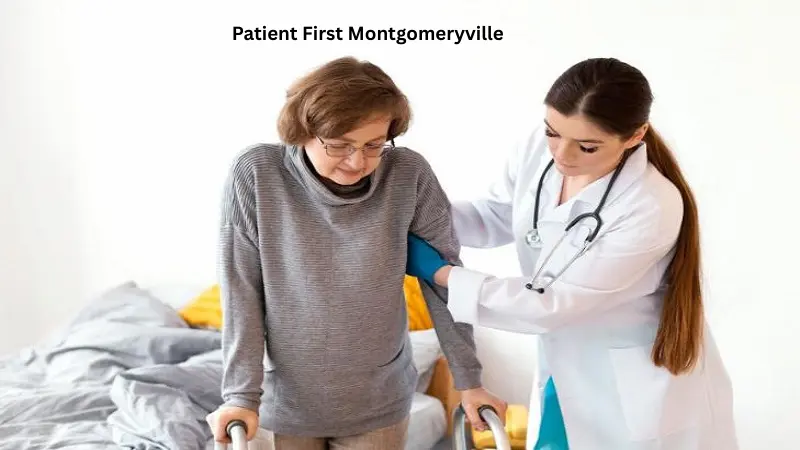
When people look for clear information about urgent medical care in the Montgomeryville area, they are often trying to understand how walk-in healthcare works and whether it is the right option for their situation. Patient First Montgomeryville is commonly searched by individuals who want quick, practical answers about non-emergency medical care without complicated language or confusing details.
This article is purely informational and written in simple, natural language. It explains urgent care in a clear way, helps readers understand when it is useful, and outlines what patients can generally expect before, during, and after a visit.
Understanding the Purpose of Urgent Care

Urgent care centers are designed to help people who need medical attention quickly but are not experiencing life-threatening emergencies. They fill the gap between regular doctor visits and hospital emergency rooms.
Many health concerns do not require emergency treatment, yet waiting several days for an appointment with a primary care doctor may not be practical. Urgent care offers a middle option that focuses on timely evaluation, treatment, and guidance.
Why People Look for Local Urgent Care Options
Daily life can be unpredictable. Illnesses and minor injuries often appear suddenly, outside normal office hours, or when a regular doctor is unavailable. This is one reason people search for Patient First Montgomeryville when they need same-day medical attention without long delays.
Urgent care is especially helpful for busy individuals, families, and workers who need healthcare that fits into real-life schedules.
Common Health Problems Treated at Urgent Care
Urgent care centers usually treat a wide range of non-emergency conditions. These issues often need professional care but are not dangerous enough to require hospital emergency services.
Minor Illnesses
- Cold and flu symptoms
- Fever and chills
- Sore throat
- Sinus pressure
- Ear discomfort
- Cough and congestion
Minor Injuries
- Sprains and strains
- Minor cuts and scrapes
- Small burns
- Sports-related injuries
- Simple fractures
Other Medical Concerns
- Skin rashes
- Mild allergic reactions
- Headaches
- Urinary discomfort
- Eye irritation
These conditions are common reasons people choose urgent care for fast evaluation and treatment.
Walk-In Care and Flexible Access
One of the biggest advantages of urgent care is walk-in access. Most visits do not require appointments, which makes care easier when health issues appear unexpectedly.
Patients can often receive care during evenings, weekends, and holidays. This flexibility allows people to seek treatment without rearranging work, school, or family responsibilities.
Because of this convenience, many individuals turn to Patient First Montgomeryville when they need care outside standard office hours.
On-Site Evaluation and Basic Testing
Urgent care centers often provide basic diagnostic services in one location. This allows healthcare providers to evaluate symptoms and make treatment decisions during the same visit.
Common services may include:
- Physical examinations
- Vital sign monitoring
- Basic laboratory testing
- Urine tests
- X-ray imaging
Having evaluation and testing available on-site helps speed up diagnosis and reduces the need for multiple appointments.
Care for Adults and Children
Urgent care facilities typically treat patients of all ages. Adults often visit for sudden illnesses or injuries, while children are commonly brought in for fevers, infections, or minor accidents.
This ability to treat both adults and children makes urgent care a practical option for families who want one place to handle common health concerns.
When Urgent Care Is the Right Choice
Urgent care is best suited for medical issues that need attention soon but are not emergencies. It may be a good choice when:
- Symptoms are uncomfortable but stable
- Same-day evaluation is needed
- A primary care provider is unavailable
- Health issues occur after hours
Knowing when urgent care is appropriate can save time and reduce stress.
When Emergency Care Is Necessary
While urgent care is useful, it is not meant for serious or life-threatening conditions. Emergency care is required for:
- Chest pain
- Difficulty breathing
- Severe bleeding
- Loss of consciousness
- Signs of stroke
- Major injuries from accidents
In these situations, immediate hospital care is essential.
- What to Expect During a Typical Visit
A visit to urgent care usually follows a simple and efficient process:
1. Check-In
Patients provide identification and basic information.
2. Medical Evaluation
A healthcare professional reviews symptoms and medical history.
3. Testing (If Needed)
On-site tests may be performed to support diagnosis.
4. Treatment Plan
The provider explains the condition and recommended care.
5. Discharge Instructions
Patients receive guidance for home care and recovery.
This structured approach allows most people to complete their visit in a single session.
The Role of Healthcare Professionals
Urgent care centers are staffed by trained medical professionals, including physicians, physician assistants, nurses, and support staff. Their role is to assess symptoms quickly, provide treatment, and ensure patients understand their care plan.
They may also advise patients to follow up with a primary care doctor if ongoing care is needed.
Follow-Up Care and Patient Guidance
After treatment, patients are usually given clear instructions about:
- Medications
- Rest and home care
- Warning signs to watch for
- When to seek further medical help
This guidance helps patients recover safely and manage their health confidently after leaving the clinic.
Understanding Costs and Planning Ahead
Urgent care visits are generally more affordable than emergency room visits for non-emergency conditions. Many people choose urgent care because it offers a balance between cost and timely medical attention.
Being aware of insurance coverage and possible out-of-pocket costs can help patients plan their visit more effectively.
Importance of Local Access to Healthcare
Having nearby urgent care options supports community health. Local access means:
- Faster treatment for common conditions
- Less strain on hospital emergency rooms
- More convenient care for families and workers
This is another reason residents often rely on Patient First Montgomeryville for everyday healthcare needs.
Preparing for Your Visit

To make a visit smoother, it helps to bring:
- A valid photo ID
- Insurance information, if available
- A list of current medications
- Basic medical history details
Preparation can speed up check-in and improve communication with healthcare providers.
The Growing Role of Urgent Care
Urgent care has become an important part of modern healthcare. Busy lifestyles, limited same-day appointments, and the need for quick treatment have increased its popularity.
Facilities like Patient First Montgomeryville reflect this change by offering accessible, efficient care for non-emergency health concerns.
You May Also Like:
Montgomeryville Acura
Raising Cane’s Montgomeryville
Frequently Asked Questions (FAQs)
1. What type of care does an urgent care center provide?
Urgent care focuses on non-life-threatening illnesses and minor injuries that need prompt attention.
2. Do urgent care visits require appointments?
Most urgent care centers accept walk-in patients and do not require appointments.
3. Can children be treated at urgent care?
Yes, urgent care centers typically treat both adults and children.
4. Is urgent care the same as an emergency room?
No, urgent care handles non-emergency conditions, while emergency rooms treat serious and life-threatening problems.
5. What should I bring to an urgent care visit?
Bringing identification, insurance details, and a list of medications can help the visit go more smoothly.